

A Sky That Will Not Look at Us
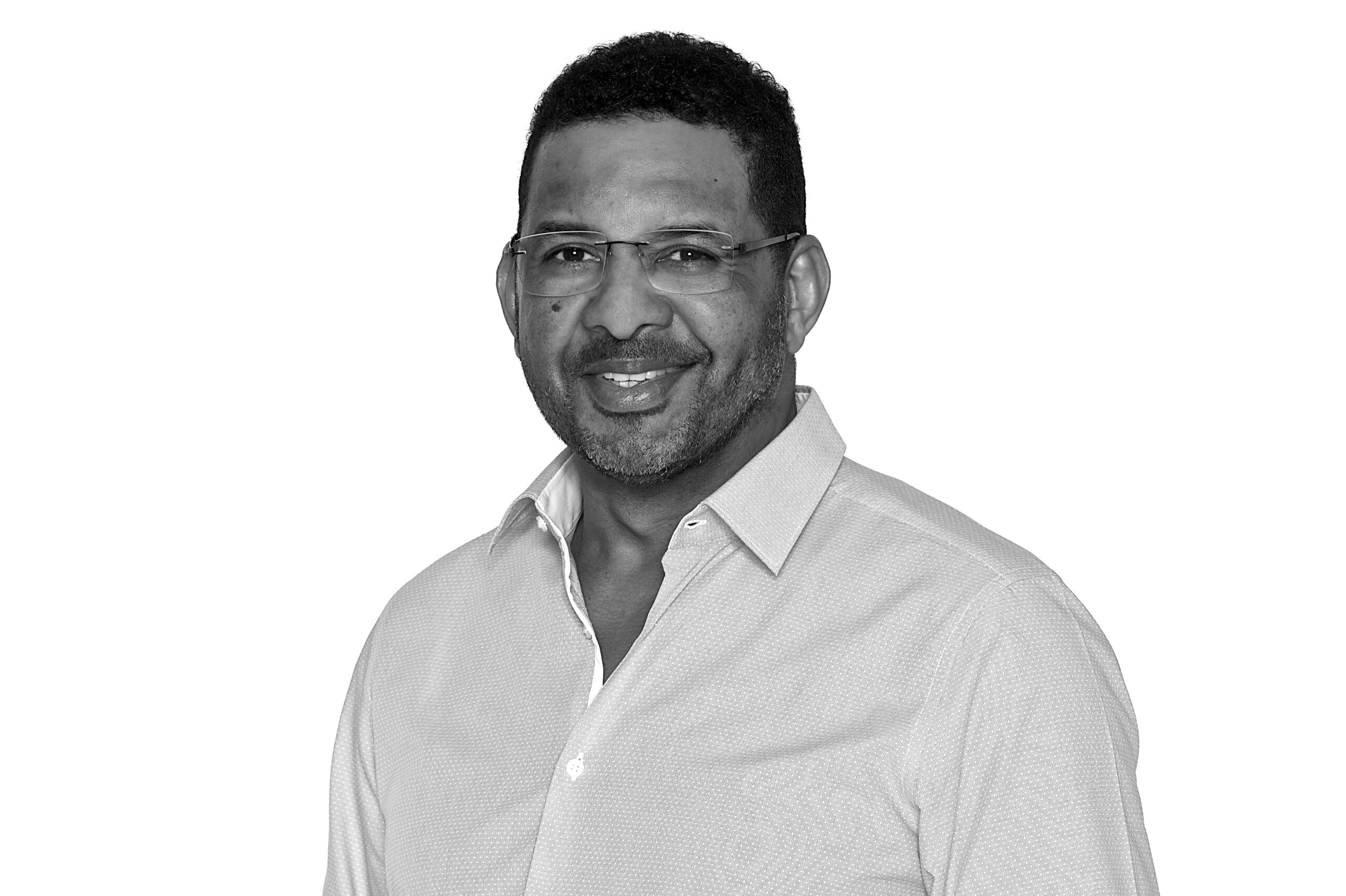
By Mohamed Badawi
“The worst thing is not the injustice of the
bad, but the silence of the good.”
— Martin Luther King Jr.
I wasn’t there.
I wasn’t there on the night when houses burned like pages of a book never read.
I wasn’t there among the bodies lying in the streets under the scorching sun, nor with the mothers whose wombs were torn open by shrapnel – giving birth in darkness, without a midwife, without water, without a single ear to hear the scream.
And yet, I carry the scent of Al-Fashir in my chest, its pain in every breath I take.
The city lives in me – in every glance, every letter, every tremor of grief, as if I had been there when the horror began.
Al-Fashir is being bombed daily, erased – without warning, without resolution, without a tear on the screen.
The city is being depopulated piece by piece – silently, without humanitarian aid, without an international outcry.
Nothing but death – the only thing that never fails to appear.
The bitter irony: this land, dying of hunger, sits atop gold mines, uranium deposits – a wealth enough to feed a continent.
And yet, every hour, a woman dies searching for bread for her children.
A child whispers to his dead mother:
“Is the war over?”
When Al-Fashir cries out, the world covers its ears.
It turns away, as if this death were an internal issue.
The world sees better than ever – and yet chooses blindness.
In Sudan, we die not only from hunger or bombs, but also from betrayal, indifference, and silence.
In western Sudan, a parallel government is taking shape – its authority unclear, its legitimacy doubtful.
It rules at gunpoint.
Meanwhile, the capital’s elites argue over which general should head which ministry – as if they were playing chess in a café, disconnected from the battlefield.
Is it possible that Swiss banks are filled with Sudanese gold, with billions stolen from the starving – while in every village across the country, people die by the hundreds every day?
How can an entire city be bombed day after day – and the world remain silent?
How do skyscrapers rise from the bones of those who never even had a grave?
Last year, I stood in Zurich, on a small square during a quiet protest against the war in Sudan.
I held a sign:
“Stop the genocide in Darfur.”
There, I spoke with a Swiss parliamentarian – polite, attentive, but hesitant.
I told him:
“Your government knows. The stolen Sudanese wealth is laundered here, stored here, reinvested here – without questions.”
He replied softly:
“We know… but right now our hands are tied.”
That sentence stabbed me like a cold knife in the back.
I no longer believe that images are enough.
Or that tears cleanse the conscience.
Or that press releases can divert a missile.
But I write. Because I have no other weapon.
I write for those buried without names.
For those whose memory dies before they do.
Because even if a word can’t stop a bullet – it unmasks the hand that fired it.
Al-Fashir is not only a city being erased – it is a mirror held up to a world that only sees what it wants to see. And only hears what fits the plan.

![Photo of Civil society held hostage by corruption and murder [en]](https://int.almadayinpost.com/wp-content/uploads/2021/01/frauen_in_libyen_1_0-390x220.jpg)